
Category: Buy Tapentadol Online
Showing the single result
-
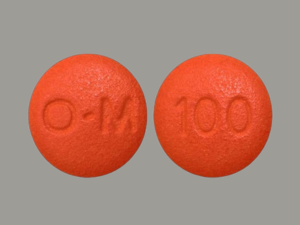
Tapentadol 100mg
Price range: $329.00 through $859.00Select options This product has multiple variants. The options may be chosen on the product page
What Is Tapentadol?
Tapentadol is a opioid pain medicine used to help manage moderate to severe pain in adults when an opioid analgesic is considered appropriate. In the United States, it is classified as a Schedule II controlled substance, which reflects its potential for misuse, abuse, and physical dependence.
Tapentadol works through two complementary pathways. It activates mu-opioid receptors in the central nervous system while also reducing the reuptake of norepinephrine, a chemical messenger involved in the body’s natural pain-control pathways. This combination gives tapentadol its pain-relieving effects.
The medication is available in immediate-release and extended-release formulations. Immediate-release products are generally intended for more short-term or breakthrough pain, while extended-release formulations are designed for longer-lasting pain control in appropriate patients. The two formulations are not interchangeable, so patients should use only the form and strength specifically prescribed for them.
Because tapentadol online is an opioid, it should be taken exactly as directed by a healthcare professional. Changing the dose, taking it more frequently, or using it for longer than recommended can increase the risk of serious complications, including overdose and dependence.
Common adverse effects may include nausea, vomiting, constipation, dizziness, sleepiness, and headache. Anyone experiencing severe or unusual symptoms should contact a healthcare professional promptly.
Before starting treatment, tell your healthcare provider about all prescription medicines, over-the-counter products, vitamins, and supplements you use. Certain combinations can increase the risk of excessive sedation, breathing problems, or other dangerous reactions.
How Does Tapentadol Work?
Tapentadol has a dual mechanism of action, meaning it affects pain through two different processes.
First, tapentadol acts as a mu-opioid receptor agonist. These receptors are found throughout the brain, spinal cord, and other parts of the nervous system. Buy Tapentadol Online activates them, the transmission and perception of pain signals are reduced.
Second, tapentadol acts as a norepinephrine reuptake inhibitor. By slowing the reabsorption of norepinephrine, it increases the availability of this neurotransmitter in the central nervous system. Norepinephrine contributes to descending pain-inhibitory pathways, which help the nervous system suppress pain signals.
Together, these actions provide analgesia through both opioid and non-opioid mechanisms.
Although tapentadol may have a lower affinity for mu-opioid receptors than some traditional opioid medicines, this does not mean that it is risk-free. It can still cause respiratory depression, sedation, misuse, tolerance, dependence, and overdose, particularly when taken incorrectly or combined with other central nervous system depressants.
Important Safety Considerations
- Take tapentadol only according to the instructions provided by your healthcare professional.
- Do not increase the dose or take additional doses unless your prescriber specifically tells you to do so.
- Tell your healthcare provider about any previous or current problems involving substance misuse or dependence.
- Avoid alcohol and be especially cautious with other medicines that can cause sleepiness or slow breathing.
- Do not drive, operate machinery, or perform activities requiring full alertness until you understand how the medication affects you.
- Keep tapentadol in a secure place and never share it with another person.
- If treatment needs to end, speak with your healthcare provider before stopping the medicine, particularly if you have been taking it regularly.
This information is intended for educational purposes and should not replace individualized medical advice.
How Is Tapentadol Used?
Tapentadol is prescribed for the management of moderate to severe pain in appropriate adult patients. How it should be taken depends on the formulation, the severity of the pain, the patient’s medical history, and other medicines being used.
1. Follow the prescribed dose
The correct dose is determined by a healthcare professional. Do not attempt to adjust the strength or frequency yourself, even if your pain changes.
2. Use the correct formulation
Immediate-release and extended-release tapentadol products serve different purposes. Extended-release tablets should be used exactly as instructed and should not be crushed, chewed, or altered unless the specific product information says otherwise.
3. Follow your treatment plan
Taking more medicine than prescribed does not necessarily provide better pain control. Instead, excessive opioid exposure can increase the possibility of dangerous sedation, breathing difficulties, overdose, and dependence.
4. Be careful with other substances
Alcohol and certain medicines that depress the central nervous system can intensify tapentadol’s online effects. Combining opioids with sedatives can be particularly dangerous because both may suppress breathing and consciousness.
5. Do not stop regular treatment suddenly
People who have been taking tapentadol regularly may develop physical dependence. Suddenly stopping treatment can cause withdrawal symptoms. A healthcare professional can determine whether the dose should be reduced gradually.
6. Take the medication for the prescribed duration
Tapentadol should be used only for as long as your healthcare provider recommends. Longer exposure may increase the likelihood of tolerance and physical dependence.
7. Store it safely
Keep tapentadol away from children, visitors, and anyone who might intentionally or accidentally take it. Store the medicine according to the product’s instructions.
8. Monitor how you respond
Pay attention to excessive sleepiness, confusion, dizziness, nausea, constipation, or breathing changes. Severe symptoms require prompt medical evaluation.
If you have questions about your particular dose, formulation, or treatment duration, your prescribing clinician or pharmacist is the appropriate source for personalized advice.
What Are the Side Effects of Tapentadol?
Like other opioid pain medicines, tapentadol can cause unwanted effects. Some are relatively common and may become less troublesome as the body adjusts, while others can signal a serious medical problem.
The likelihood and severity of side effects can vary from person to person. Factors such as dosage, other medications, age, underlying medical conditions, and duration of treatment can all influence how someone responds.
Common Side Effects of Tapentadol
Some of the more frequently reported side effects include:
- Nausea: Some people feel sick to their stomach while taking tapentadol. If nausea is persistent or severe, discuss it with your healthcare provider.
- Constipation: Opioids can slow movement through the digestive tract, making constipation common. Your healthcare professional can recommend appropriate strategies for managing it.
- Dizziness: Tapentadol may make some people feel lightheaded or unsteady. Standing up slowly can help reduce the risk of falls.
- Drowsiness: Sleepiness can occur, particularly when treatment begins or the dose changes. Avoid driving or hazardous activities until you know your individual response.
- Vomiting: Some patients may experience vomiting, particularly during the early stages of treatment.
- Headache: Headache has also been reported in people taking tapentadol. Persistent or unusually severe headaches should be discussed with a healthcare professional.
- Dry mouth: Reduced saliva production may occur. Staying adequately hydrated can help with this symptom.
Not everyone taking tapentadol will experience these effects. If a side effect becomes persistent, bothersome, or progressively worse, contact your healthcare provider rather than changing the medication on your own.
Serious Side Effects of Tapentadol
Although serious reactions are less common, tapentadol can cause potentially life-threatening complications.
Respiratory Depression
One of the most important opioid-related risks is respiratory depression, in which breathing becomes unusually slow or shallow. The danger can be greater with high doses or when tapentadol online is combined with alcohol, sedatives, or other medicines that depress the central nervous system.
Extreme sleepiness, difficulty waking, slow or abnormal breathing, or loss of consciousness requires emergency medical attention.
Serotonin Syndrome
Tapentadol may contribute to serotonin syndrome, particularly when used with other medicines that increase serotonin activity. Warning signs can include agitation, confusion, sweating, fever, rapid heartbeat, muscle stiffness, tremor, or loss of coordination.
These symptoms should be treated as a medical emergency.
Severe Allergic Reaction
A serious allergic reaction may involve swelling of the face, lips, tongue, or throat; difficulty breathing; severe rash; or other sudden symptoms. Emergency medical care should be obtained if these signs occur.
Central Nervous System Effects
Tapentadol can affect alertness and coordination. Confusion, extreme drowsiness, impaired judgment, or significant dizziness can make everyday activities dangerous.
Dependence, Misuse, and Addiction
Tapentadol can lead to physical dependence and, in some people, opioid use disorder. Risk may increase with prolonged use, higher doses, misuse, or certain personal and medical factors.
Dependence and addiction are not identical. Physical dependence means the body has adapted to regular exposure and may produce withdrawal symptoms when the medication is stopped. Addiction involves problematic patterns of use, such as compulsive use or continued use despite harmful consequences.
If you are concerned about your relationship with tapentadol, speak with a healthcare professional rather than attempting to manage the problem alone.
How Can Tapentadol Dependence Develop?
Because tapentadol acts on the opioid system, repeated exposure can cause the body to adapt to the medication. With continued treatment, some people may develop tolerance, meaning the same dose may no longer produce the same effect.
Physical dependence can also develop. This does not automatically mean that someone has an addiction. A person who has taken an opioid as prescribed for an extended period may experience withdrawal if the medicine is stopped abruptly.
The risk of problematic use can vary based on factors such as treatment duration, dosage, personal history, and exposure to other substances.
Physical Dependence on Tapentadol
Physical dependence develops when the nervous system adapts to repeated exposure to tapentadol.
1. Tolerance
Over time, the body may become less responsive to the same dose. This does not mean that a person should increase the amount independently. Dose adjustments should always be made by a healthcare professional.
2. Withdrawal
Stopping regular tapentadol treatment suddenly can result in withdrawal symptoms. These may include anxiety, restlessness, sweating, muscle aches, sleep difficulties, nausea, and irritability.
3. Dependence Is Different From Addiction
Physical dependence is a physiological response to repeated medication exposure. Addiction, or opioid use disorder, involves a pattern of problematic use that may include cravings, loss of control, and continued use despite negative consequences.
4. Factors That May Increase Risk
The likelihood of dependence or problematic opioid use may be influenced by longer treatment duration, higher exposure, previous substance-use problems, and individual biological or psychological factors.
5. Managing Dependence
If physical dependence develops, a healthcare professional can create an appropriate plan for reducing the medication. A gradual dose reduction may help limit withdrawal symptoms.
6. Patient Education Matters
Understanding the risks before treatment begins can help patients use tapentadol more safely. Keep communication open with your prescriber and report changes in pain control, side effects, or concerns about the medication.
Psychological Dependence on Tapentadol
Psychological dependence involves persistent cravings or an emotional reliance on a medicine. Because opioids can influence the brain’s reward and reinforcement systems, some individuals may begin associating the medication with feelings of relief, comfort, or emotional well-being.
Possible warning signs include:
- Thinking frequently about when the next dose can be taken.
- Feeling unusually anxious or distressed when the medication is unavailable.
- Taking tapentadol for reasons other than pain relief.
- Using more than prescribed or taking doses earlier than directed.
- Continuing to use the medication despite clear problems related to its use.
- Spending significant time obtaining, using, or recovering from the effects of the medication.
Psychological dependence should not be viewed as a personal failure. It is a health concern that can be addressed with professional support.
Treatment may involve medical supervision, behavioral therapy, counseling, support programs, and other approaches selected according to the individual’s circumstances.
What Are the Signs and Symptoms of Tapentadol Addiction?
Recognizing problematic opioid use early can make it easier to obtain appropriate support. Tapentadol addiction, more accurately described clinically in many cases as opioid use disorder, can involve behavioral, psychological, and physical changes.
Possible warning signs include:
- Using more than intended: A person may take larger amounts or use tapentadol for longer than originally planned.
- Strong cravings: Persistent urges to take the medication can interfere with everyday activities.
- Difficulty cutting back: Repeated attempts to reduce or stop use may be unsuccessful.
- Continued use despite problems: Someone may keep taking tapentadol even after experiencing health, work, relationship, or financial consequences.
- Neglecting responsibilities: Medication use may begin interfering with employment, education, family responsibilities, or other important activities.
- Withdrawal symptoms: Physical symptoms can appear when regular use is reduced or stopped.
- Changes in behavior: Increased secrecy, irritability, mood changes, or unusual efforts to obtain medication may indicate a developing problem.
- Tolerance: A person may feel that increasingly larger amounts are necessary to achieve the previous effect.
Not every person who takes tapentadol will develop an opioid use disorder, and physical dependence alone does not establish addiction. However, noticeable changes in medication use or behavior deserve attention.
Recently Purchased
-
 Roxicodone 15mg
Price range: $329.00 through $859.00
Roxicodone 15mg
Price range: $329.00 through $859.00
-
 Hydrocodone 10/650mg
Price range: $329.00 through $859.00
Hydrocodone 10/650mg
Price range: $329.00 through $859.00
-
 Farmapram 0.5mg
Price range: $329.00 through $859.00
Farmapram 0.5mg
Price range: $329.00 through $859.00
-
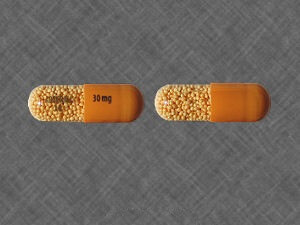 Adderall XR 30mg
Price range: $329.00 through $859.00
Adderall XR 30mg
Price range: $329.00 through $859.00
-
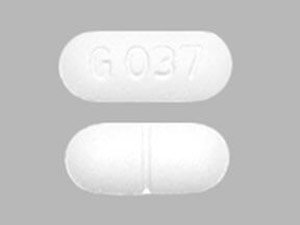 Lortab 10/325mg
Price range: $449.00 through $799.00
Lortab 10/325mg
Price range: $449.00 through $799.00