
Category: Buy Demerol Online
Showing all 2 results
-
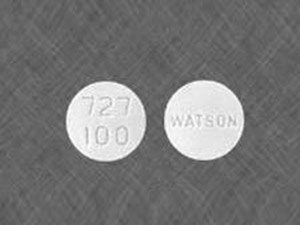
Demerol 100mg
Price range: $295.00 through $619.00Select options This product has multiple variants. The options may be chosen on the product page -
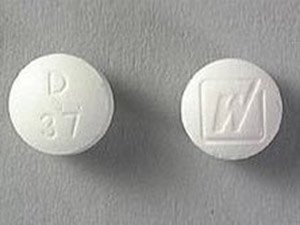
Demerol 50mg
Price range: $279.00 through $599.00Select options This product has multiple variants. The options may be chosen on the product page
What is Demerol
Demerol is the brand name historically associated with meperidine, a prescription opioid pain reliever. It belongs to a class of medicines that act on the brain and nervous system to change how the body experiences pain. Meperidine may be prescribed for severe pain in certain circumstances and is also available in injectable form for medical use.
Like other opioid medicines, meperidine can cause physical dependence and carries a risk of misuse, addiction, and overdose. For that reason, it should be taken only according to a healthcare professional’s instructions.
Understanding how this medication works, the warning signs of misuse, and the symptoms of overdose or withdrawal can help people recognize when medical assistance may be necessary.
What Is Demerol?
Demerol is a brand name for meperidine, an opioid analgesic. It works primarily by changing the way the brain and nervous system respond to pain. Meperidine is available in oral forms such as tablets and liquid, while injectable preparations may be used in clinical settings.
Because it is an opioid, meperidine can produce effects beyond pain relief. Depending on the person and the prescribed dose, these may include sleepiness, dizziness, nausea, and impaired alertness. More serious effects can occur when the medication is taken incorrectly, in excessive amounts, or together with substances that increase sedation or suppress breathing.
The branded product Demerol is no longer marketed in the United States, although generic meperidine products may still be available.
How Is Meperidine Used?
When prescribed, meperidine should be used exactly as directed by a doctor or other qualified healthcare professional. Oral meperidine is available as a tablet or liquid, while injections are administered in appropriate medical circumstances.
A person should never increase the amount, take doses more frequently, or change the way the medication is taken without medical advice. Crushing tablets, taking larger quantities, or using the medicine by an unintended route can increase the risk of serious adverse effects.
Meperidine can also interact dangerously with alcohol, certain medications, and other substances. These combinations may increase sedation and the possibility of severe or life-threatening breathing problems.
How Does Demerol Affect the Brain and Body?
Opioids influence the central nervous system and alter the body’s perception of pain. This can make painful sensations feel less intense, but it can also affect alertness, coordination, breathing, and other normal body functions.
Some people may experience a feeling of relaxation or euphoria from opioids. That pleasurable effect can contribute to repeated misuse in susceptible individuals. Continued exposure may also result in tolerance, meaning the body becomes accustomed to the medication and a person may feel that the same amount produces less of an effect.
It is important to distinguish physical dependence from addiction. Physical dependence means the body has adapted to the medication and withdrawal symptoms can occur when it is abruptly stopped. Addiction involves compulsive drug use that continues despite harmful consequences.
What Does Demerol Misuse Mean?
Meperidine misuse can take several forms. Examples include:
- Taking more medicine than prescribed
- Taking doses more frequently than instructed
- Using someone else’s prescription
- Taking the medicine for reasons other than its intended medical purpose
- Changing the way a medication is administered
- Combining it with alcohol or other substances without medical guidance
Misuse does not necessarily mean that a person has an opioid use disorder. However, repeated misuse can increase the risk of dependence, addiction, accidental poisoning, and overdose.
A person who is concerned about their use of meperidine should speak with a healthcare professional rather than attempting to manage the situation alone.
Tolerance, Dependence, and Addiction
These three terms are sometimes used interchangeably, but they describe different situations.
Tolerance
Tolerance occurs when the body becomes accustomed to a medicine and the same dose may produce a weaker effect over time.
Physical Dependence
Dependence develops when the body adapts to continued exposure to an opioid. If the medication is suddenly reduced or stopped after prolonged use, withdrawal symptoms may occur.
Addiction
Addiction, or opioid use disorder, involves persistent and difficult-to-control substance use despite negative effects on health, relationships, work, or other areas of life.
Not everyone who takes an opioid as prescribed develops an addiction. However, opioids do carry an inherent risk of misuse and dependence, so ongoing treatment should be monitored by a healthcare professional.
Common Side Effects of Meperidine
Meperidine can cause side effects even when used as prescribed. Possible effects include:
- Drowsiness
- Dizziness
- Nausea
- Vomiting
- Constipation
- Sweating
- Dry mouth
- Weakness
- Reduced alertness
- Difficulty concentrating
Because opioids can impair alertness and judgment, people taking them should be cautious about driving or operating machinery. Alcohol and other sedating substances can increase these risks.
Severe or unusual symptoms should be discussed with a healthcare professional promptly.
Signs That Someone May Be Misusing Demerol
There is no single symptom that proves opioid misuse. However, certain behavioral or physical changes may warrant attention.
Possible warning signs include:
- Repeatedly taking more medication than directed
- Frequently requesting an early refill
- Spending significant time thinking about obtaining or using the medicine
- Continuing use despite problems caused by the medication
- Appearing unusually sleepy or confused
- Changes in work, school, family, or social responsibilities
- Using opioids together with alcohol or other sedating substances
- Experiencing withdrawal symptoms when the medication is unavailable
These signs do not automatically establish addiction. A qualified healthcare professional can evaluate the person’s circumstances and determine whether treatment is appropriate.
Demerol Overdose
An opioid overdose is a medical emergency. Taking too much meperidine can suppress the central nervous system and slow breathing to a dangerous level. Severe poisoning can result in unconsciousness, seizures, brain injury, or death.
Overdose can occur accidentally as well as intentionally. The risk may increase when opioids are combined with alcohol, sedatives, or other substances that depress the nervous system.
Possible Signs of a Meperidine Overdose
Warning signs can include:
- Very slow or shallow breathing
- Difficulty breathing
- Extreme sleepiness
- Inability to wake or respond normally
- Cold, clammy skin
- Weak or slow heartbeat
- Confusion
- Severe dizziness or weakness
- Loss of consciousness
- Seizures
- Coma
Changes in pupil size may also occur during an opioid overdose.
What to Do During a Suspected Overdose
If someone may have overdosed on meperidine, seek emergency medical assistance immediately. Do not wait for the person to recover on their own.
Naloxone is an opioid-reversal medication that can temporarily reverse life-threatening opioid effects. It should be administered when available and appropriate, while emergency medical help is contacted.
The person should remain under observation because opioid effects can return after an initial response to naloxone.
Demerol Withdrawal
Someone who has been taking meperidine regularly may develop withdrawal symptoms if the medication is suddenly stopped or substantially reduced. This happens because the body has adapted to continued opioid exposure.
Withdrawal can be extremely uncomfortable and may make it difficult for someone to stop using the medication without professional support.
Possible symptoms include:
- Restlessness
- Anxiety
- Irritability
- Sweating
- Chills
- Muscle or body aches
- Runny nose
- Watery eyes
- Yawning
- Difficulty sleeping
- Abdominal cramps
- Nausea
- Vomiting
- Diarrhea
- Reduced appetite
- Rapid heartbeat
- Rapid breathing
The exact symptoms and their severity can vary from person to person.
Why Stopping Suddenly Can Be a Problem
People who have been taking meperidine for an extended period should not abruptly stop the medicine without discussing it with their healthcare provider.
A doctor may gradually reduce the dose to help minimize withdrawal symptoms. The appropriate approach depends on factors such as the duration of treatment, dose, medical history, and the person’s overall health.
After opioid tolerance has decreased, returning to a previously tolerated amount can also increase overdose risk. This is one reason medically supervised recovery is important for people with opioid dependence.
Treatment for Meperidine Dependence or Addiction
Treatment should be individualized rather than based on a single approach. A healthcare professional can assess opioid use, physical dependence, withdrawal symptoms, mental health, other medications, and the person’s broader circumstances.
Depending on the situation, treatment may involve:
Medical Assessment
A clinician can determine how much meperidine is being used, identify possible complications, and assess whether opioid use disorder may be present.
Medically Supervised Dose Reduction
For people who are physically dependent on meperidine, a healthcare professional may develop a gradual reduction plan rather than having the person stop suddenly.
Medication-Assisted Treatment
For people with opioid use disorder, evidence-based treatment may include medications designed to reduce cravings and withdrawal while supporting recovery. The appropriate medication should be determined by a qualified clinician.
Behavioral Support
Counseling and behavioral therapies can help people understand triggers, develop coping strategies, and address problems that contribute to substance use.
Ongoing Recovery Support
Recovery does not necessarily end when withdrawal symptoms improve. Continued medical care, counseling, peer support, and follow-up appointments can help reduce the risk of returning to problematic opioid use.
When to Seek Immediate Medical Help
Emergency assistance is particularly important when someone taking meperidine:
- Has difficulty breathing
- Cannot be awakened
- Becomes unconscious
- Experiences a seizure
- Develops severe confusion
- Has extremely slow or shallow breathing
- May have taken an excessive amount of the medication
These can be signs of a potentially fatal opioid overdose and require urgent medical attention
Recently Purchased
-
 Oxycodone 15mg
Price range: $329.00 through $859.00
Oxycodone 15mg
Price range: $329.00 through $859.00
-
 Adderall 10mg
Price range: $329.00 through $859.00
Adderall 10mg
Price range: $329.00 through $859.00
-
 Lortab 7.5/500mg
Price range: $361.00 through $789.00
Lortab 7.5/500mg
Price range: $361.00 through $789.00
-
 Diazepam 10mg
Price range: $329.00 through $859.00
Diazepam 10mg
Price range: $329.00 through $859.00
-
 Diazepam 5mg
Price range: $329.00 through $859.00
Diazepam 5mg
Price range: $329.00 through $859.00