
Category: Buy Oxycontin Online
Showing all 14 results
-
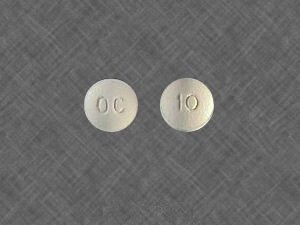
Oxycontin OC 10mg
Price range: $369.00 through $749.00Select options This product has multiple variants. The options may be chosen on the product page -
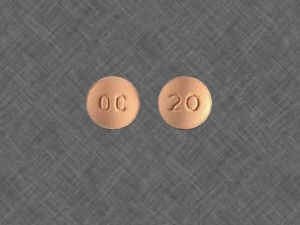
Oxycontin OC 20mg
Price range: $398.00 through $749.00Select options This product has multiple variants. The options may be chosen on the product page -
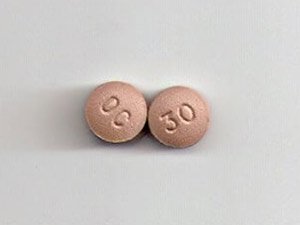
Oxycontin OC 30mg
Price range: $399.00 through $789.00Select options This product has multiple variants. The options may be chosen on the product page -
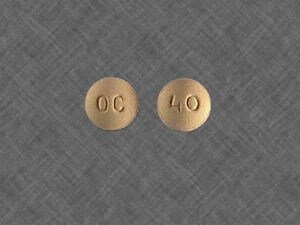
Oxycontin OC 40mg
Price range: $399.00 through $899.00Select options This product has multiple variants. The options may be chosen on the product page -
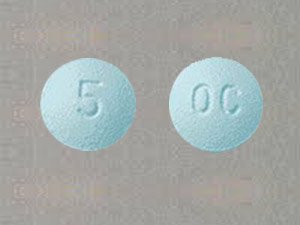
Oxycontin OC 5mg
Price range: $309.00 through $699.00Select options This product has multiple variants. The options may be chosen on the product page -
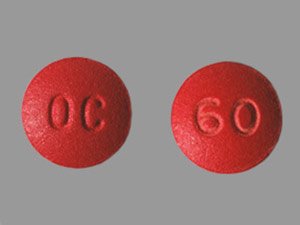
Oxycontin OC 60mg
Price range: $579.00 through $899.00Select options This product has multiple variants. The options may be chosen on the product page -
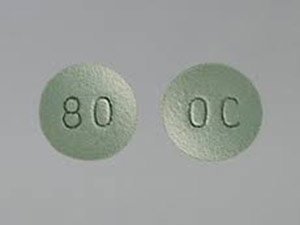
Oxycontin OC 80mg
Price range: $449.00 through $909.00Select options This product has multiple variants. The options may be chosen on the product page -
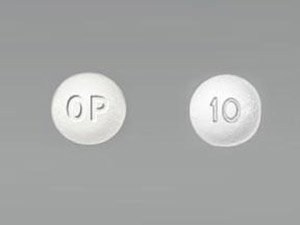
Oxycontin OP 10mg
Price range: $309.00 through $609.00Select options This product has multiple variants. The options may be chosen on the product page -
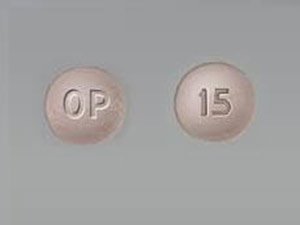
Oxycontin OP 15mg
Price range: $299.00 through $629.00Select options This product has multiple variants. The options may be chosen on the product page -
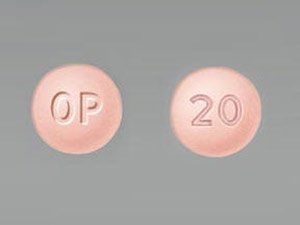
Oxycontin OP 20mg
Price range: $319.00 through $629.00Select options This product has multiple variants. The options may be chosen on the product page -
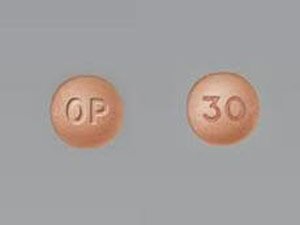
Oxycontin OP 30mg
Price range: $339.00 through $699.00Select options This product has multiple variants. The options may be chosen on the product page -
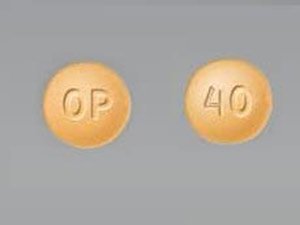
Oxycontin OP 40mg
Price range: $339.00 through $749.00Select options This product has multiple variants. The options may be chosen on the product page -
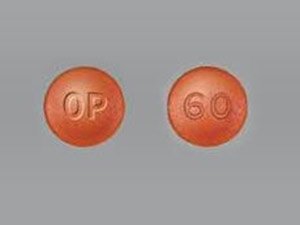
Oxycontin OP 60mg
Price range: $349.00 through $749.00Select options This product has multiple variants. The options may be chosen on the product page -
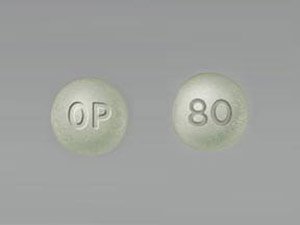
Oxycontin OP 80mg
Price range: $359.00 through $799.00Select options This product has multiple variants. The options may be chosen on the product page
OxyContin vs. Oxycodone: Understanding the Key Differences
OxyContin and oxycodone are closely related opioid pain medicines, but the terms do not mean exactly the same thing. The main distinction is that oxycodone is the active opioid ingredient, while OxyContin is a brand-name extended-release formulation of oxycodone.
Both medicines may be prescribed for significant pain when other treatment options are not adequate. Because opioids can cause dependence, misuse, overdose, and other serious complications, understanding how these medicines differ is important for patients, caregivers, and families.
What Is Oxycodone?
Oxycodone is a semi-synthetic opioid analgesic used to manage moderate to severe pain when an opioid is considered medically appropriate. It is available in different formulations and may also be combined with other active ingredients.
Depending on the product, oxycodone may be prescribed for situations such as:
- Pain following surgery
- Serious injuries
- Cancer-related pain
- Other conditions involving significant pain
Oxycodone affects the central nervous system by interacting with opioid receptors involved in pain perception. This can reduce the sensation of pain but may also cause drowsiness and other opioid-related effects.
Because oxycodone has a significant potential for misuse, dependence, and addiction, it is classified as a Schedule II controlled substance in the United States.
Immediate-Release Oxycodone
Some oxycodone products are formulated for immediate release. These medicines release oxycodone relatively quickly after administration and are generally used when shorter-duration pain control is needed.
Certain products combine oxycodone with another medicine, such as acetaminophen. Patients should carefully check the active ingredients in combination products because taking additional medicines containing the same ingredient can increase the risk of adverse effects.
What Is OxyContin?
OxyContin is a brand-name extended-release oxycodone tablet. Rather than releasing the medicine rapidly, its formulation is designed to release oxycodone gradually over time.
This extended-release design makes to Buy OxyContin Online different from immediate-release oxycodone products. It may be prescribed for patients who require ongoing, around-the-clock management of severe pain when an extended-release opioid is considered appropriate.
OxyContin has also been associated with opioid misuse and addiction, which is why it carries significant safety warnings and is subject to controlled-substance regulations.
Patients should take OxyContin exactly as prescribed. Extended-release tablets should not be crushed, chewed, or altered, because doing so can interfere with the controlled-release mechanism and potentially cause too much oxycodone to be released at once.
OxyContin vs. Oxycodone: What Is the Difference?
The simplest way to understand the difference is this:
Oxycodone is the opioid medication itself, while OxyContin is one specific extended-release product containing oxycodone.
In other words, OxyContin is a type of oxycodone medicine, but not every oxycodone product is OxyContin.
| Feature | Oxycodone | OxyContin |
|---|---|---|
| Active opioid | Oxycodone | Oxycodone |
| Formulation | Can be immediate-release or other formulations | Extended-release |
| Main purpose | Pain relief depending on formulation | Ongoing, around-the-clock pain management when prescribed |
| Dosing frequency | Depends on the specific product | Designed for less frequent dosing |
| Misuse potential | Significant | Significant |
| Controlled substance | Schedule II in the U.S. | Schedule II in the U.S. |
How Do They Work?
Both medicines ultimately rely on oxycodone to produce their opioid effects.
Oxycodone binds to opioid receptors in the central nervous system. This changes how the brain and body perceive pain. The same mechanism that provides pain relief can also produce unwanted effects such as sedation, constipation, nausea, and slowed breathing.
The difference between immediate-release oxycodone and OxyContin is primarily how quickly Buy oxycodone becomes available in the body and how long the medication is designed to provide its effect.
When Are They Used?
The appropriate formulation depends on the patient’s medical condition, the severity and duration of pain, previous opioid exposure, and other factors considered by the prescriber.
Immediate-Release Oxycodone
Immediate-release oxycodone may be considered when a patient needs treatment for significant pain that does not require an extended-release formulation.
OxyContin
OxyContin is designed for patients who require continuous opioid treatment for severe, persistent pain. Extended-release opioids are not generally intended for occasional or short-term pain.
A healthcare professional should determine which formulation, if any, is appropriate.
Side Effects of Oxycodone and OxyContin
Because OxyContin contains oxycodone, many of the potential side effects overlap.
Common opioid-related effects can include:
- Constipation
- Nausea
- Vomiting
- Drowsiness
- Dizziness
- Headache
- Fatigue
- Abdominal discomfort
Some side effects may become more pronounced when the medicine is taken incorrectly, combined with other substances, or used in a way that differs from the prescribed instructions.
Serious Risks
Opioids can cause potentially life-threatening respiratory depression. Seek emergency medical attention if someone taking an opioid develops symptoms such as:
- Very slow or difficult breathing
- Extreme sleepiness or inability to wake
- Severe confusion
- Bluish or gray-colored lips or skin
- Loss of consciousness
The risk of dangerous sedation and breathing problems can increase when opioids are combined with alcohol, benzodiazepines, or other medicines that depress the central nervous system.
Can Oxycodone or OxyContin Be Addictive?
Yes. Both medicines have the potential to cause physical dependence, tolerance, and opioid use disorder.
Dependence can develop even when an opioid is taken according to a prescription. This is different from addiction, although dependence can occur alongside opioid use disorder.
Signs that opioid use may be becoming problematic can include:
- Taking more medicine than prescribed
- Using the medicine more frequently than directed
- Feeling unable to stop taking it
- Spending significant time obtaining or using opioids
- Continuing use despite harmful consequences
- Experiencing strong cravings
- Having difficulty controlling opioid use
Anyone concerned about their own opioid use should speak with a qualified healthcare professional rather than stopping long-term opioid treatment abruptly.
Why Crushing or Altering OxyContin Is Dangerous
Extended-release medicines are specifically designed to release their active ingredient over a longer period.
Damaging an extended-release tablet can interfere with that design. Crushing, chewing, or otherwise altering OxyContin online can potentially result in a rapid release of oxycodone and increase the risk of overdose.
For this reason, patients should follow the administration instructions provided with their prescription and pharmacist’s guidance.
OxyContin and Oxycodone Withdrawal
Someone who has developed physical dependence on an opioid may experience withdrawal symptoms if the medicine is suddenly reduced or stopped.
Withdrawal can involve:
- Anxiety or restlessness
- Muscle aches
- Sweating
- Runny nose
- Insomnia
- Abdominal cramps
- Nausea or diarrhea
- Increased heart rate
- Strong cravings
Withdrawal can be extremely uncomfortable. People who have been taking opioids regularly should discuss any dose reduction or discontinuation with a healthcare professional. A clinician can determine whether a gradual taper or another treatment approach is appropriate.
Treatment for Opioid Use Disorder
Opioid addiction is a treatable medical condition. Treatment is not simply about stopping the medication; it can involve addressing cravings, withdrawal, behavioral patterns, mental health concerns, and other factors contributing to problematic opioid use.
Depending on the individual, treatment may include:
Medical Evaluation and Withdrawal Management
A healthcare team can assess opioid use and monitor withdrawal symptoms. Medications may sometimes be used to manage withdrawal or reduce cravings under professional supervision.
Behavioral Therapy
Counseling can help people identify triggers, develop coping strategies, and address behaviors associated with substance use. Individual, group, and family-based approaches may all have a role.
Medications for Opioid Use Disorder
Evidence-based treatment can include medications such as buprenorphine, methadone, or naltrexone, depending on the individual’s circumstances and medical assessment.
Ongoing Recovery Support
Recovery often continues beyond the initial phase of treatment. Follow-up care may include counseling, medical appointments, peer-support programs, and other services designed to help reduce relapse risk.
OxyContin vs. Oxycodone: The Bottom Line
OxyContin and oxycodone should not be thought of as two completely different drugs. OxyContin is an extended-release formulation that contains oxycodone as its active ingredient.
The most important difference is the release mechanism. Immediate-release oxycodone products are designed to release the medicine more quickly, while OxyContin is formulated to release oxycodone over an extended period.
Both carry important opioid-related risks, including respiratory depression, dependence, misuse, overdose, and addiction. They should only be used according to a healthcare professional’s instructions.
Recently Purchased
-
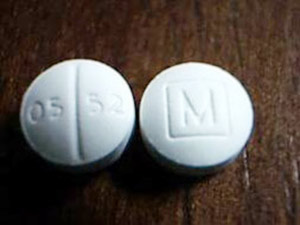 Roxicodone 5mg
Price range: $329.00 through $859.00
Roxicodone 5mg
Price range: $329.00 through $859.00
-
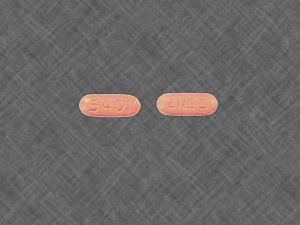 Ambien 5mg
Price range: $329.00 through $859.00
Ambien 5mg
Price range: $329.00 through $859.00
-
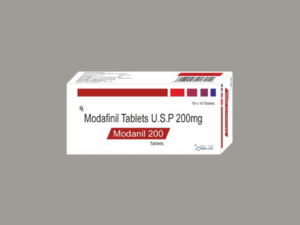 Modafinil 200mg
Price range: $169.00 through $859.00
Modafinil 200mg
Price range: $169.00 through $859.00
-
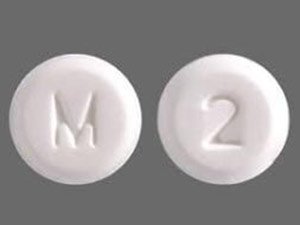 Hydromorphone 2mg
Price range: $399.00 through $799.00
Hydromorphone 2mg
Price range: $399.00 through $799.00
-
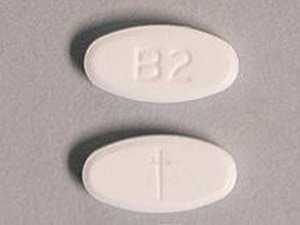 Subutex 2mg
Price range: $349.00 through $709.00
Subutex 2mg
Price range: $349.00 through $709.00