
Category: Buy Oxycodone Online
Showing all 8 results
-
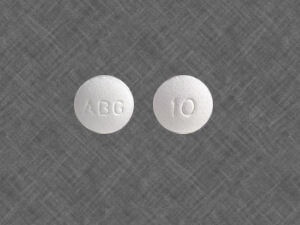
Oxycodone 10mg
Price range: $329.00 through $859.00Select options This product has multiple variants. The options may be chosen on the product page -
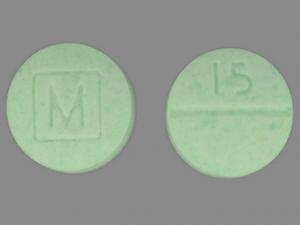
Oxycodone 15mg
Price range: $329.00 through $859.00Select options This product has multiple variants. The options may be chosen on the product page -
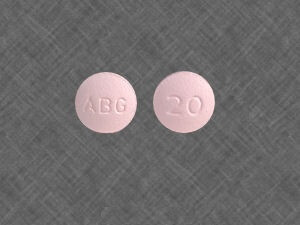
Oxycodone 20mg
Price range: $329.00 through $859.00Select options This product has multiple variants. The options may be chosen on the product page -
Oxycodone 30mg
Price range: $159.00 through $859.00Select options This product has multiple variants. The options may be chosen on the product page -
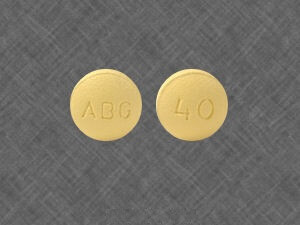
Oxycodone 40mg
Price range: $329.00 through $859.00Select options This product has multiple variants. The options may be chosen on the product page -

Oxycodone 5mg
Price range: $329.00 through $859.00Select options This product has multiple variants. The options may be chosen on the product page -
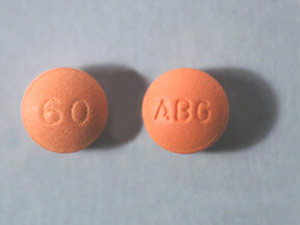
Oxycodone 60mg
Price range: $329.00 through $859.00Select options This product has multiple variants. The options may be chosen on the product page -
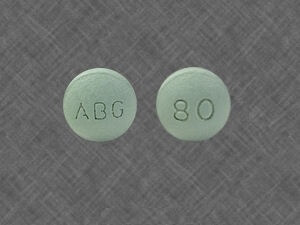
Oxycodone 80mg
Price range: $199.00 through $859.00Select options This product has multiple variants. The options may be chosen on the product page
What Is Oxycodone?
Oxycodone is a opioid medication used to relieve moderate to severe pain when other pain management options are not effective. It was approved by the U.S. Food and Drug Administration (FDA) in 1995 and is commonly prescribed for people who require consistent, long-term pain control.
Healthcare providers may recommend Buy oxycodone Online for individuals experiencing ongoing pain caused by conditions such as cancer, arthritis, chronic lower back pain, nerve-related pain, fractures, joint injuries, bursitis, or pain following certain medical procedures. Because it is a powerful opioid, oxycodone is generally reserved for situations where non-opioid medications or combination pain relievers have failed to provide adequate relief or cannot be tolerated.
Oxycodone belongs to a group of medications known as opioid (narcotic) analgesics. These medicines work by changing how the brain and nervous system recognize pain signals, helping reduce the sensation of pain and improving comfort for people with serious pain conditions.
How Does Oxycodone Work?
Oxycodone works by attaching to opioid receptors located throughout the brain and central nervous system. Once these receptors are activated, the medication reduces the transmission of pain signals, allowing patients to experience significant pain relief.
The medication is available in several dosage forms to meet different treatment needs. Immediate-release tablets, capsules, and oral solutions are typically prescribed for short-term or sudden pain, while extended-release tablets are designed to provide around-the-clock pain control for chronic conditions that require continuous treatment.
Because oxycodone affects the central nervous system, it should only be taken exactly as prescribed by a qualified healthcare professional. Misuse or taking larger doses than directed may increase the risk of serious side effects, dependence, or overdose.
Oxycodone is classified by the U.S. Drug Enforcement Administration (DEA) as a Schedule II controlled substance. This classification recognizes that the medication has accepted medical uses but also carries a significant potential for misuse, abuse, and physical or psychological dependence. Other medications within the same classification include hydromorphone, methadone, meperidine, and fentanyl.
Who May Be Prescribed Oxycodone?
Oxycodone is intended for adults who require treatment for moderate to severe pain, particularly when alternative pain management therapies have not provided sufficient relief. Before prescribing this medication, healthcare providers carefully review a patient’s medical history, current medications, and overall health to determine whether oxycodone online is an appropriate option.
Who Should Avoid or Use Oxycodone With Caution?
Although oxycodone can be highly effective for pain relief, it is not suitable for everyone. Certain individuals may require extra monitoring or may need to avoid the medication altogether.
Allergy to Oxycodone
People with a known allergy to oxycodone or any of its ingredients should not take this medication. Inform your healthcare provider about any previous allergic reactions to medications, foods, preservatives, dyes, or other substances before beginning treatment.
Pediatric Use
The safety and effectiveness of oxycodone have not been fully established for children younger than 11 years of age. Treatment in younger patients should only occur under specialized medical supervision when appropriate.
Breastfeeding
Oxycodone can pass into breast milk, and its effects on nursing infants should be carefully considered. Anyone who is breastfeeding should discuss the potential risks and benefits with a healthcare provider before using this medication.
Medication Interactions
Some medications can interact with oxycodone and increase the risk of serious side effects or reduce its effectiveness. Examples include samidorphan, naltrexone, safinamide, levoketoconazole, mavorixafor, and isocarboxazid. Always provide your healthcare provider with a complete list of prescription medicines, over-the-counter products, vitamins, and herbal supplements before starting oxycodone.
Food and Alcohol Interactions
Alcohol and grapefruit products may alter how oxycodone is processed by the body, potentially increasing side effects such as excessive drowsiness or breathing problems. Your healthcare provider may recommend avoiding these substances while taking the medication.
Existing Medical Conditions
Tell your healthcare provider about your complete medical history before taking oxycodone. Extra caution may be necessary if you have asthma or other breathing disorders, liver or kidney disease, seizure disorders, thyroid problems, gastrointestinal blockage, stomach or bowel conditions, previous head injuries, mental health disorders, or a history of alcohol or substance misuse.
Important Safety Information
Oxycodone is an effective treatment for managing serious pain when used appropriately under medical supervision. Because it is a potent opioid medication, it should always be taken exactly as prescribed. Never adjust your dosage, share your medication with others, or stop treatment suddenly without consulting your healthcare provider, as doing so may increase the risk of withdrawal symptoms or other complications.
Frequently Asked Questions About Oxycodone
1. What is oxycodone used for?
Oxycodone is a opioid medication used to manage moderate to severe pain. Healthcare providers may prescribe it when other pain treatments do not provide enough relief or when continuous pain management is required.
2. How does oxycodone relieve pain?
Oxycodone is works attaching to opioid receptors in the brain and nervous system. This changes the way pain signals are processed, helping reduce the feeling of pain.
3. How long does oxycodone take to start working?
Immediate-release oxycodone generally begins to relieve pain within 30 to 60 minutes after taking a dose. The exact onset may vary depending on the individual and the formulation prescribed.
4. How long do the effects of oxycodone last?
Immediate-release formulations typically provide pain relief for about 4 to 6 hours. Extended-release versions are designed to provide longer-lasting pain control and are taken according to a healthcare provider’s instructions.
5. Is oxycodone the same as OxyContin?
No. Oxycodone is the active medication, while OxyContin is a brand-name extended-release formulation of oxycodone. They contain the same active ingredient but are designed for different dosing schedules.
6. Can oxycodone be taken with food?
Yes. Oxycodone may be taken with or without food. Taking it with food may help reduce stomach discomfort in some people.
Recently Purchased
-
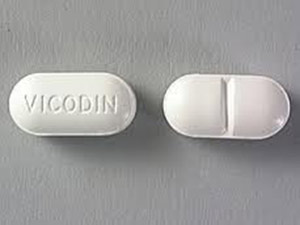 Vicodin 5/500mg
Price range: $329.00 through $859.00
Vicodin 5/500mg
Price range: $329.00 through $859.00
-
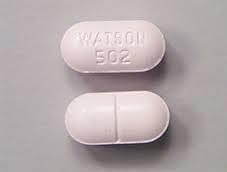 Hydrocodone 7.5/650mg
Price range: $329.00 through $859.00
Hydrocodone 7.5/650mg
Price range: $329.00 through $859.00
-
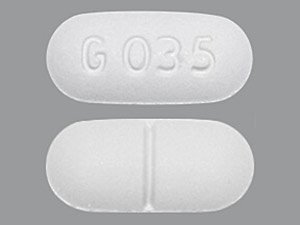 Lortab 5/325mg
Price range: $319.00 through $749.00
Lortab 5/325mg
Price range: $319.00 through $749.00
-
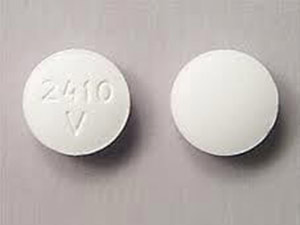 Carisoprodol 350mg
Price range: $329.00 through $859.00
Carisoprodol 350mg
Price range: $329.00 through $859.00
-
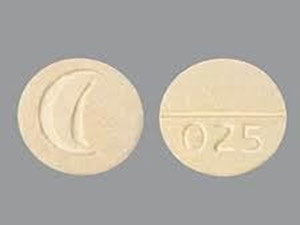 Alprazolam 0.25mg
Price range: $329.00 through $859.00
Alprazolam 0.25mg
Price range: $329.00 through $859.00